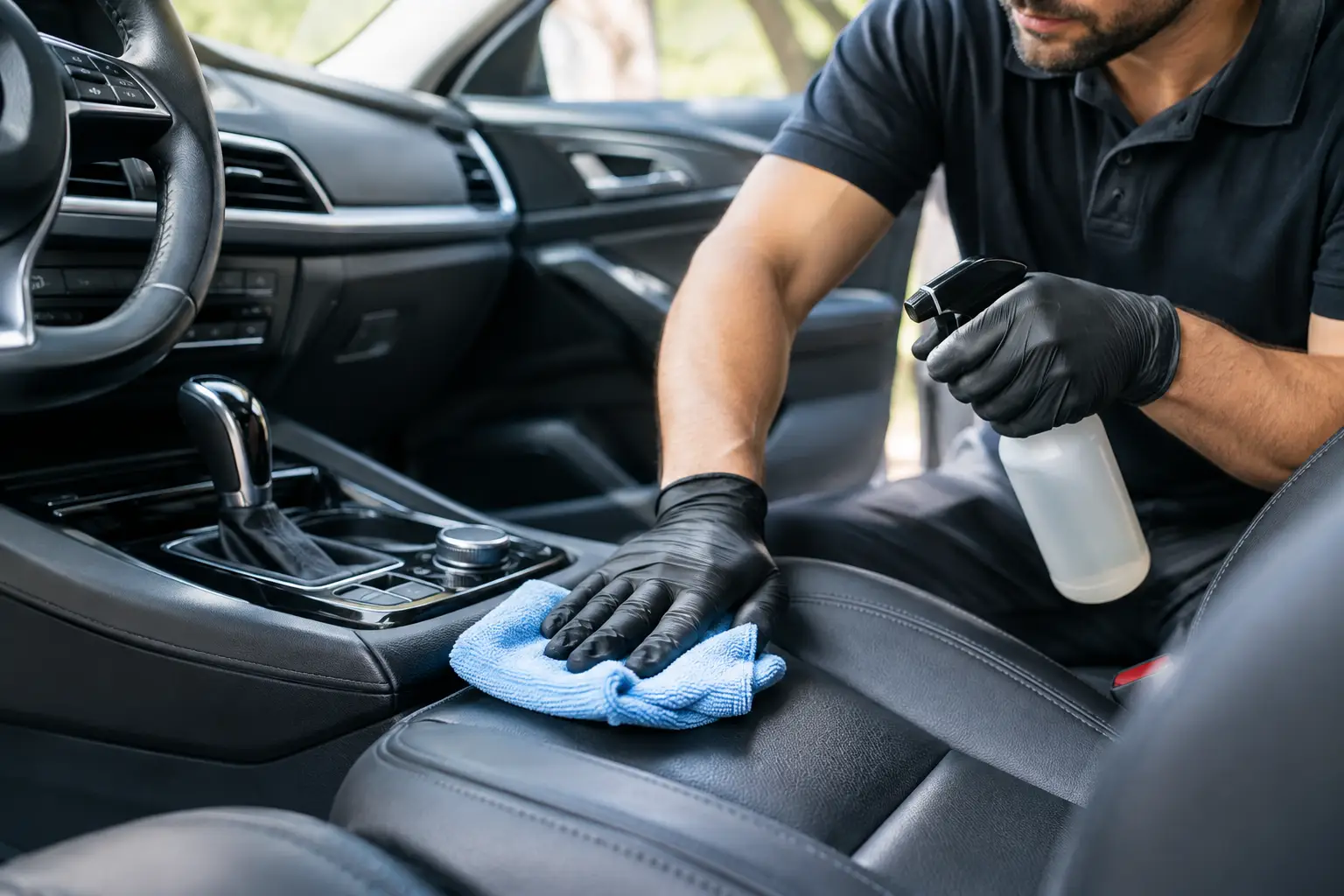
A luxury interior should feel considered before the vehicle even leaves the driveway. That is why interior detailing quality standards should be measured by more than a freshly vacuumed carpet or a strong fragrance. Premium work restores the cabin’s appearance, improves day-to-day comfort, and respects the materials that make your vehicle worth maintaining.
For busy owners, the distinction matters. A quick wash-and-vacuum may remove visible debris, but it rarely addresses the areas where grime, oils, spills, and odors accumulate. A higher standard is about careful cleaning, appropriate products, and a finished cabin that looks polished without feeling artificially dressed.
What Premium Interior Detailing Should Deliver
Quality begins with a complete view of the cabin. Seats, carpets, floor mats, door panels, center consoles, cup holders, vents, headliners, glass, and cargo areas all collect different types of soil. Treating every surface with the same cleaner or process is fast, but it is not premium care.
A professional interior detail should leave the cabin visibly clean, but the result should also feel natural. Leather should look clean and conditioned rather than glossy or slick. Screens and instrument panels should be free of fingerprints without being coated in residue. Carpet fibers should be refreshed without remaining damp, and interior glass should be clear without haze or streaks in direct Texas sunlight.
The standard is not perfection at any cost. Some staining, discoloration, wear, dye transfer, and embedded odors may be permanent or may require specialized restoration beyond a standard appointment. A quality provider identifies those conditions honestly, explains what is realistic, and focuses attention where it will make the greatest difference.
Interior Detailing Quality Standards by Surface
Upholstery and seating
Seats receive constant contact from clothing, skin oils, pets, children, food, and daily use. Fabric upholstery should be vacuumed thoroughly, treated for stains as appropriate, and cleaned in a way that avoids overwetting the padding beneath. A seat that looks clean but stays damp for hours is not a finished result.
Leather requires a more measured approach. Premium interior care removes surface soil from seams, perforations, bolsters, and stitching before applying a suitable conditioner or protectant. Heavy shine is not proof of quality. In fact, overly glossy products can leave a slippery feel, attract dust, and create glare on darker interiors. Clean, supple, low-sheen leather is usually the better outcome.
With ventilated seats, perforated leather, suede, Alcantara, or light-colored interiors, product choice matters even more. These materials can be damaged or discolored by aggressive brushing, excessive moisture, or poorly matched chemicals. The right process depends on the material and the condition of the vehicle.
Carpets, mats, and cargo areas
Floor areas reveal whether a detailer worked carefully or simply moved quickly. Premium service includes more than a broad pass with a vacuum. It means reaching beneath seats where practical, working along seat tracks, cleaning pedals and footwells, and addressing the edges where sand and grit collect.
Rubber mats should be cleaned and dried so they do not feel greasy underfoot. Carpet mats and carpeting may need spot treatment, extraction, or low-moisture cleaning depending on the amount of soil and the vehicle’s schedule. For an owner heading to a meeting or picking up family later that day, a clean cabin that is ready to use matters more than an overly saturated carpet.
Cargo areas deserve the same attention, particularly in SUVs and trucks used for sports equipment, groceries, travel, pets, or work materials. The goal is a space that feels clean and maintained, not one where dirt has simply been pushed into corners.
Consoles, trim, and touchpoints
Interior trim is where detail work becomes immediately noticeable. Cup holders, door pulls, window switches, steering wheels, shifters, seat controls, and center consoles collect a surprising amount of residue. These are the surfaces an owner sees and touches most often.
A premium result removes grime from seams and crevices without leaving behind wet product, white residue, or a strong chemical scent. Buttons should remain functional, screens should be handled carefully, and textured panels should look even rather than blotchy. The cabin should feel refreshed the moment you sit down, not overly coated.
Glass, vents, and finishing details
Interior glass is a small detail with a large effect. Smears and haze become obvious at sunrise, sunset, and in wet weather, when visibility matters most. A proper finish leaves windows, mirrors, and windshield glass clear from multiple angles.
Air vents, speaker grilles, and tight seams also deserve attention. They do not need dramatic treatment, but visible dust in these areas can undermine an otherwise clean interior. The final inspection should catch missed debris, overlooked streaks, and items that were moved during the service.
Odor Removal Requires More Than Fragrance
A clean scent can be pleasant, but fragrance is not odor removal. If smoke, food, pet, mildew, or spilled beverages are present, the source must be addressed. That may involve cleaning the affected upholstery or carpet, treating bacteria-prone areas, inspecting floor mats, and allowing appropriate drying time.
Some odors are more complex than others. Smoke can penetrate fabric, headliners, and HVAC components. A milk spill that reached carpet padding can require deeper treatment. Mildew odors may signal moisture intrusion that should be investigated before detailing continues. Honest guidance is part of premium service, especially when an odor may return because the underlying cause remains.
The best finished cabin smells clean and neutral. It should not rely on an overpowering scent to suggest that the work was done.
Quality Is Also a Matter of Process
A polished result comes from preparation and consistency. Before work starts, a professional detailer should assess the cabin’s condition, note sensitive materials, and recognize areas that require extra care. Pet hair, sand, makeup, heavily soiled mats, child-seat marks, and food residue all affect the time and process required.
During the appointment, quality depends on using clean towels, dedicated brushes, suitable tools, and products matched to each surface. Cross-contamination matters. A towel used for a dirty door jamb should not be used on a leather seat or glossy interior trim. Likewise, strong all-purpose chemicals may be useful in limited situations, but they should not be the default answer for every material.
Mobile service adds another practical consideration: the detail should be planned around the vehicle’s location, access, weather, and drying needs. Premium convenience does not mean cutting corners. It means bringing an organized, full-service process to your home or workplace while respecting your schedule.
What to Look for After the Appointment
The most useful measure of quality is the experience you have over the next several days. You should not find loose debris under the seats, residue in cup holders, streaks on the glass, or dampness that lingers. Controls should feel clean, not slippery. Surfaces should look even in natural light, and the cabin should be comfortable to enter without a heavy artificial scent.
It is also reasonable to expect clear communication. If a stain was reduced but could not be fully removed, or if an odor needs a follow-up treatment, that should be explained directly. Premium service is not about making impossible promises. It is about delivering a noticeably better cabin and being precise about what the vehicle needs next.
Maintaining a Premium Cabin Between Details
Interior detailing lasts longer when small messes are handled early. Wipe spills promptly, empty food packaging, shake out mats, and avoid leaving wet towels or gym clothes in the vehicle. If you transport pets or regularly carry children, a more frequent maintenance schedule may make sense.
For many Austin-area owners, recurring interior care is less about correcting severe buildup and more about preserving the standard they enjoy every day. Aurelian Automotive brings that premium approach directly to scheduled appointments, helping maintain a cabin that feels composed whether the vehicle is used for commutes, client meetings, weekend travel, or family life.
A well-detailed interior does more than photograph well. It creates a quieter, cleaner first impression each time you open the door - and that is a standard worth keeping.