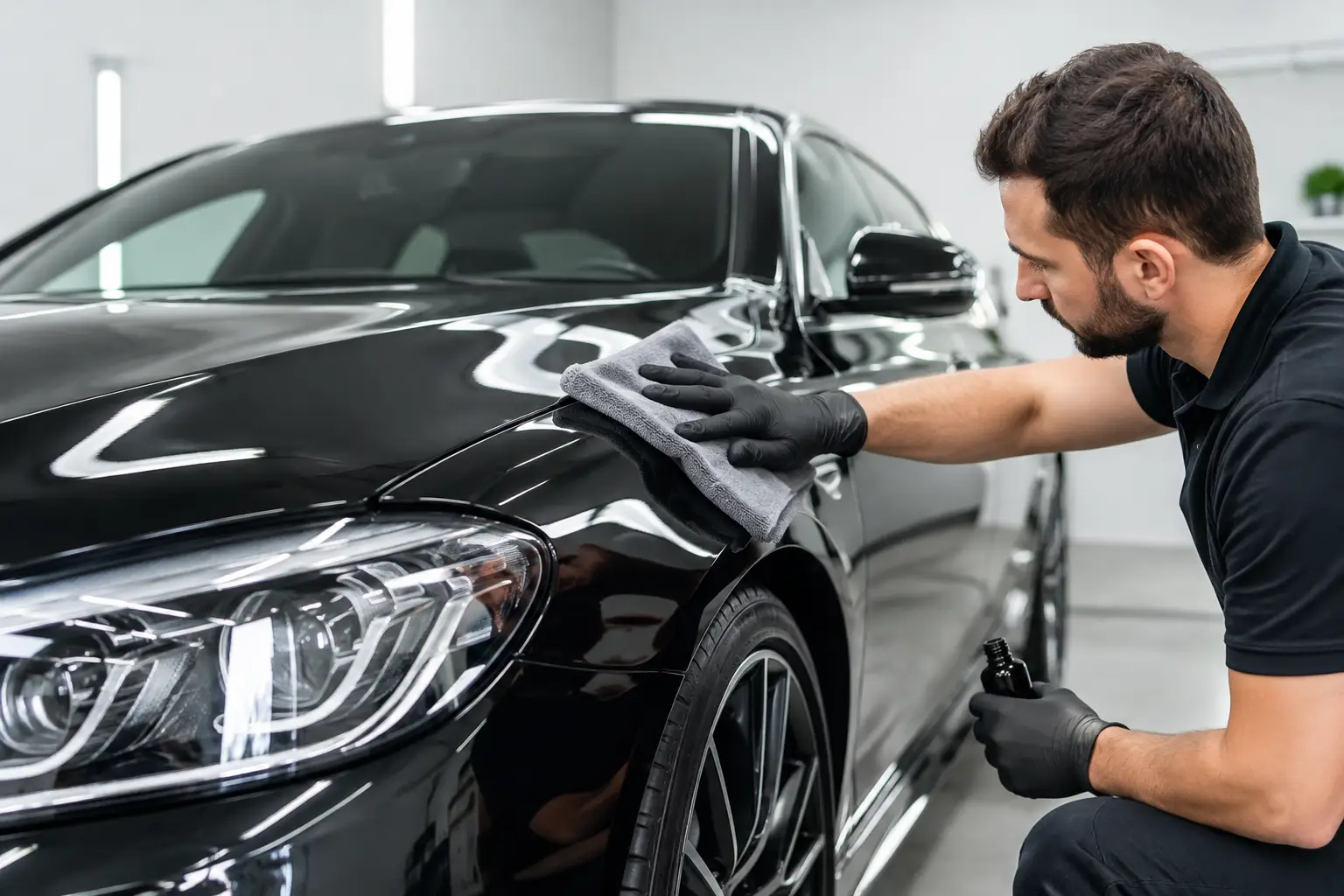
A vehicle can look clean at first glance and still carry the signs of daily use: faint wash marks in direct sunlight, bonded road film along the lower panels, dull trim, and paint that no longer reflects with the depth it once had. Detailing paint protection addresses more than surface dirt. It is a considered process for preserving the finish, appearance, and long-term presentation of a vehicle you take pride in.
For busy owners, the value is not just a better-looking car. It is having premium care performed correctly, at a scheduled time and place that works around your day. Whether your vehicle is parked at home, outside the office, or in a private garage, the right protection plan helps it continue to look intentional between appointments.
What Detailing Paint Protection Actually Does
Paint protection begins with preparation. A professional detail removes the contaminants that ordinary washing leaves behind, including embedded grime, brake dust, mineral deposits, and traffic film. Once the paint is clean and properly assessed, a protective product can be applied to improve gloss, make future cleaning easier, and reduce the effect of everyday exposure.
The result is not an invisible force field. No wax, sealant, or ceramic coating can prevent a rock chip from highway debris or erase careless contact in a parking lot. Protection is most effective when expectations are realistic. It helps reduce the grip of dirt and contaminants, slows the visible effects of sun and weather, and gives your vehicle a more polished finish when maintained consistently.
For luxury, performance, and newer vehicles, this distinction matters. The goal is not simply to make the paint shine for a weekend. It is to preserve the condition of an expensive finish and keep the vehicle looking appropriately cared for over time.
Start With the Condition of the Paint
The best protection product cannot hide neglected paint. Before applying anything, the exterior should be evaluated in natural light and direct light. This reveals issues that are easy to miss in a driveway or parking garage, such as swirl marks, etched water spots, oxidation, paint transfer, and scratches around door handles.
Cleaning and decontamination come first
A proper exterior service begins with a careful wash using methods intended to minimize additional marring. From there, chemical and physical decontamination may be needed to remove particles that have bonded to the finish. These can include industrial fallout, tree residue, brake dust, and road contaminants that leave the paint feeling rough even after a wash.
This preparation creates a clean surface for protection to bond properly. Applying a premium protectant over contamination may add temporary shine, but it will not deliver the clarity, durability, or finish that the product is capable of providing.
Paint correction is a judgment call
Paint correction can reduce the appearance of swirl marks, light scratches, and haze through controlled polishing. It is especially valuable when a dark-colored vehicle has lost its depth or when a newer vehicle has already accumulated wash-induced defects.
However, correction is not always necessary. Every polishing service removes a small amount of clear coat, so the right approach depends on the vehicle’s age, paint condition, previous detailing history, and owner expectations. A well-kept daily driver may benefit from a light enhancement polish, while a collector vehicle or recently repainted panel may call for a more conservative plan. Premium detailing should be individualized, not sold as a one-size-fits-all package.
Choosing the Right Level of Paint Protection
The ideal protection depends on how the vehicle is driven, where it is parked, how often it is washed, and how long you intend to keep it. A garage-kept weekend vehicle has different needs than an SUV that handles school runs, construction zones, and Austin-area highways every day.
Traditional wax remains a good choice for owners who enjoy frequent detailing and want warm gloss with a shorter protection cycle. It can enhance the look of paint beautifully, but it generally needs to be refreshed more often than modern alternatives.
Paint sealants typically offer longer-lasting protection and a crisp, reflective finish. They are a practical fit for daily-driven vehicles when the priority is dependable exterior protection with routine maintenance.
Ceramic coatings are designed for greater durability and chemical resistance when applied to properly prepared paint. They can create outstanding gloss and improve the ease of washing, but they still require regular care. A ceramic-coated vehicle is not maintenance-free, and harsh brushes, automatic tunnel washes, and neglected contaminants can still compromise its appearance.
Paint protection film serves a different purpose. It is a physical film installed over vulnerable areas to help defend against chips and abrasion. For vehicles that see frequent highway mileage, film on the front bumper, hood edge, mirrors, and rocker panels may be worth considering. It is generally a larger investment and should be chosen for impact resistance, not as a substitute for wash and maintenance services.
Why Austin Conditions Change the Conversation
Texas sun is not a minor concern for exterior finishes. Prolonged UV exposure can diminish gloss, dry exterior trim, and accelerate the visible aging of unprotected surfaces. Add heat, pollen, sudden rain, tree sap, hard-water spotting, and construction dust, and even a lightly driven vehicle can begin to look tired faster than expected.
Protection helps create a more manageable surface, but prompt care remains part of the equation. Bird droppings, bug residue, and tree sap should not sit on paint for long, especially during hot weather. Their acidic or sticky compounds can etch or stain clear coat when heat intensifies the reaction.
Owners who park outdoors should also pay attention to irrigation overspray. Water spots are not always a simple wash issue. Mineral-heavy water can leave deposits that bond to the paint and glass, eventually requiring dedicated removal or polishing. A protected surface makes cleanup easier, but it does not make hard-water exposure harmless.
Maintaining Protected Paint Between Appointments
The way a vehicle is washed has as much to do with its appearance as the protection applied to it. Many swirl marks come from rushed washing, dirty towels, abrasive brushes, and automatic wash equipment that moves from vehicle to vehicle without regard for the condition of its materials.
When washing at home, use clean microfiber towels, quality wash media, and a pH-balanced automotive shampoo. Avoid washing in direct sun whenever possible, since heat can cause water and soap to dry too quickly. Dry the vehicle promptly with a clean towel or filtered air to reduce water spots.
If you use a drive-through wash for convenience, touchless is generally less abrasive than brush-based equipment, although it may rely on stronger chemicals and still may not fully remove bonded grime. For a vehicle with a premium coating or carefully corrected paint, scheduled hand detailing is the better long-term choice.
Interior care also supports exterior preservation in subtle ways. Clean door jambs, conditioned seals, and protected interior surfaces keep the entire vehicle feeling cohesive. A high-end vehicle should not have a glossy hood and neglected touch points. Full-service detailing gives equal attention to the places you see, touch, and use every day.
A Protection Plan Should Fit Your Ownership Style
There is no universal schedule. A garage-kept sedan driven a few times a week may need a different maintenance rhythm than a truck used daily across Central Texas. The useful question is not, “What is the strongest product?” It is, “What level of care will I realistically maintain?”
For many owners, a seasonal exterior detail combined with regular maintenance appointments is the most practical approach. It keeps contaminants from accumulating, refreshes protection before it noticeably declines, and allows small issues to be addressed before they become more expensive corrections.
Aurelian Automotive provides luxury mobile detailing by appointment for owners who want that level of attention without setting aside time to visit a detailing facility. The most effective plan is one that matches your vehicle, your schedule, and the standard you expect when you walk up to it.
Paint protection is ultimately a habit of ownership, not a single service. Give the finish proper preparation, use protection that suits how you drive, and maintain it before the evidence of daily wear becomes impossible to ignore.