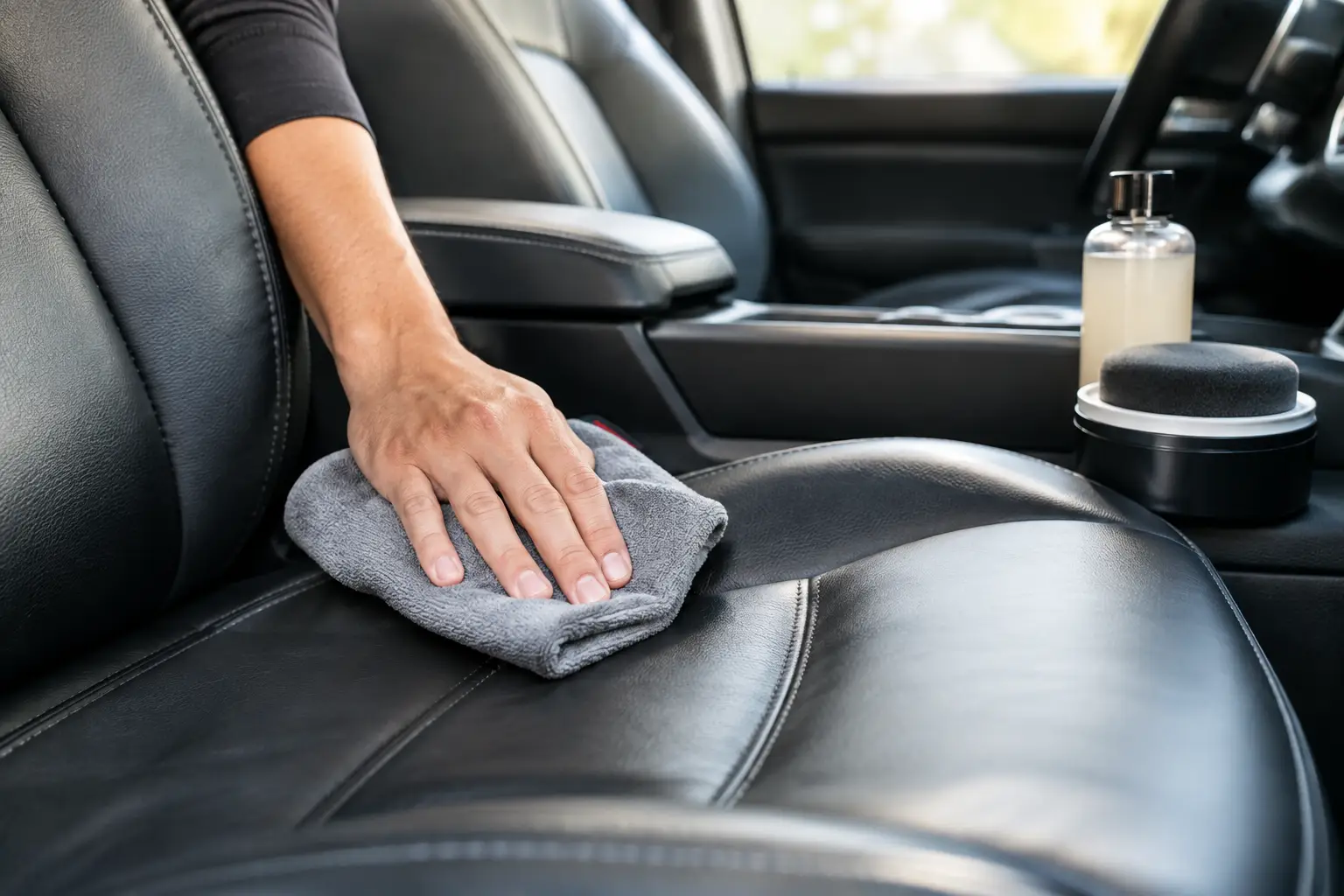
A leather cabin can look exceptional for years, but Austin heat, daily use, and one overlooked spill can change that quickly. Knowing how to protect leather interiors is less about constantly applying products and more about following a measured care routine that keeps the material clean, conditioned, and shielded from unnecessary stress.
For luxury vehicles, performance cars, family SUVs, and well-appointed trucks, leather care is part of preserving the vehicle as a whole. The right approach protects the finish, supports resale value, and ensures the cabin continues to feel as considered as the day you bought it.
Why Leather Interiors Need Deliberate Care
Modern automotive leather is often coated with a protective finish, which makes it more durable and easier to clean than untreated leather goods. That coating does not make it invulnerable. Body oils, sunscreen, denim dye, food residue, pet hair, and airborne dust gradually accumulate on high-contact surfaces such as the driver's seat, steering wheel, armrests, and center console.
Heat compounds the issue. In Central Texas, a vehicle parked outdoors can experience extreme interior temperatures. Repeated heat exposure may dry the leather over time, accelerate surface wear, and make existing creases more noticeable. UV light can also contribute to fading, particularly on lighter interiors and areas closest to the glass.
The goal is not to make leather feel greasy or overly shiny. Premium leather should look clean, soft, and natural, with a low-sheen finish that does not interfere with its texture or grip.
How to Protect Leather Interiors With a Practical Routine
A consistent routine is more effective than an occasional aggressive treatment. The proper frequency depends on how the vehicle is used, where it is parked, whether children or pets ride in it, and the color and type of leather. A daily-driven SUV with a light interior needs more attention than a weekend vehicle stored in a garage.
Start by Removing Dry Debris
Dust and grit are not harmless. Fine particles settle into seams, perforations, stitching, and the folds of bolsters. When passengers slide in and out of the vehicle, that debris can create friction against the surface.
Use a soft vacuum attachment and a clean detailing brush to lift debris from seams and textured areas before applying any cleaner. This step matters because wiping a dusty seat with a towel can drag particles across the finish. Pay special attention to the outer seat bolsters, seat rails, door pulls, armrests, and the lower portion of the steering wheel.
For routine upkeep, a light vacuum every few weeks is usually sufficient. Vehicles carrying children, pets, or frequent passengers may benefit from more regular attention.
Clean Leather Gently and Only as Needed
Leather should be cleaned with a dedicated, pH-balanced automotive leather cleaner or a professional-grade interior cleaner approved for coated leather. Apply the product to a microfiber towel or soft brush rather than spraying it heavily onto the seat. This provides better control and helps prevent moisture from collecting around perforations, seams, electronics, or heated-seat components.
Work one small section at a time, using minimal pressure. The purpose is to remove oils and residue, not scrub the leather aggressively. Follow with a separate clean, dry microfiber towel to lift remaining moisture and loosened soil.
Avoid household cleaners, dish soap, disinfecting wipes, glass cleaner, and products containing strong alcohol or bleach. They may strip protective coatings, leave the surface dry, or create discoloration. Even products marketed as multipurpose interior cleaners can be too harsh for certain leather finishes.
If you are unsure what type of leather is in your vehicle, check the owner's manual or have a professional assess it first. Aniline, semi-aniline, suede-like materials, and specialty upholstery require a more tailored process than conventional coated leather.
Condition for Feel, Not Shine
Conditioner can help maintain a supple feel, but more is not better. Over-conditioning can leave residue that attracts dust, makes seats slippery, or creates an artificial glossy appearance. In some newer vehicles with heavily coated leather, frequent conditioning provides little benefit compared with regular gentle cleaning and UV protection.
For most vehicles, a light application of a quality leather conditioner every three to six months is reasonable. Apply a small amount evenly, allow it to absorb as directed, then buff away excess with a clean microfiber towel. If the leather still feels slick after buffing, too much product was used.
The trade-off is straightforward: conditioning can support the look and feel of leather, but an overly rich product or excessive application can work against a refined interior. Choose a low-residue formula designed for automotive upholstery, not furniture leather.
Prioritize UV Protection
Sun exposure is one of the most persistent threats to a leather interior in Austin. A windshield sunshade is a simple, high-value habit, particularly for vehicles parked outside during the workday. It reduces direct exposure on the dashboard, steering wheel, and front seats while also making the cabin more comfortable when you return.
Whenever practical, park in a garage, covered space, or shaded area. Window tint that complies with Texas regulations can further reduce UV exposure and heat buildup. A leather protectant with UV inhibitors may be useful as part of a professional maintenance plan, but it should complement shade and smart parking choices rather than replace them.
Prevent Stains Before They Set
The first few minutes after a spill make a meaningful difference. Blot liquid with a clean, absorbent microfiber towel rather than rubbing it deeper into the leather or stitching. For oily foods, cosmetics, sunscreen, ink, and dark denim transfer, avoid experimenting with harsh cleaners. These marks can spread or become more difficult to correct when treated incorrectly.
Keep a small interior care kit in the vehicle with microfiber towels, bottled water, and a leather-safe cleaner. This is especially useful for busy households, executives who frequently work from their vehicle, and owners who travel with children or pets.
Dark jeans can transfer dye onto light-colored seats, particularly in hot weather. Regularly wiping high-contact areas with a leather-safe cleaner helps remove early transfer before it becomes embedded. The same applies to sunscreen and hand lotion on steering wheels, armrests, and seat edges.
Habits That Quietly Wear Down Leather
Leather damage rarely comes from one dramatic event. More often, it results from small routines repeated over time. Sharp objects in back pockets, keys placed on seats, abrasive clothing hardware, and pets moving across unprotected upholstery all increase the chance of scuffs or tears.
Be mindful when entering and exiting the vehicle. Sliding across the outer seat bolster creates one of the most common wear patterns, especially in low-slung luxury and performance vehicles. Adjusting the seat or steering wheel for a more natural entry angle can reduce that friction.
For pets, use a fitted seat cover designed to stay in place without trapping grit underneath. For child seats, use only manufacturer-approved protective mats and check beneath them periodically. Pressure marks, crumbs, and trapped moisture can affect leather and the surrounding trim if left unattended.
When Professional Leather Care Is Worth It
A professional interior detail provides more than a quick wipe-down. A premium service can address contamination in seams and perforations, clean contact areas carefully, condition the leather appropriately, and restore the polished presentation of the full cabin. It is particularly valuable after a long summer, before listing a vehicle for sale, following a spill, or when light-colored leather begins showing transfer and discoloration.
Professional help is also the better choice for cracked finishes, color loss, deep stains, ink, odor, or leather that has become stiff. These issues may require specialized cleaning, repair, or refinishing rather than additional conditioner. Applying random products to damaged leather can make professional correction more difficult.
For Austin owners who value a well-maintained vehicle without giving up an afternoon at a shop, scheduled mobile detailing keeps leather care on a predictable calendar. Aurelian Automotive can bring premium interior attention to your home or workplace, so preserving the cabin fits the way you already manage your time.
Leather responds well to consistent, restrained care. Keep grit off the surface, treat spills promptly, limit sun exposure, and use products sparingly. Those simple habits let the interior keep its original character - comfortable, clean, and ready for every drive.